İçeriğe geç

Sea Water Cooling Systems

Steel alloy corrosion in sea water

High turbulence corrosion or cavitation occurs in places such as pump inlet and outlet, cooler inlet and outlet. Since the plastic coating does not create an electrolytic potential difference like metals, there is no corrosion on the plastic even in turbulent environments.

Electric Corrosions are occurred between bronze / brass – steel, bronze / brass – galvanized steel. Valve bodies are made of brass or bronze.

Oxygen concentration in water, affects corrosion rate as well as temperature of solution. Even temperature increase decreases the oxygen, more corrosion occurs.

Chlorine salt content affects corrosion rate. Low carbon steels and 300 series stainless steels are affected by chlorine salts.

Cast iron steels more resistant to such corrosion.

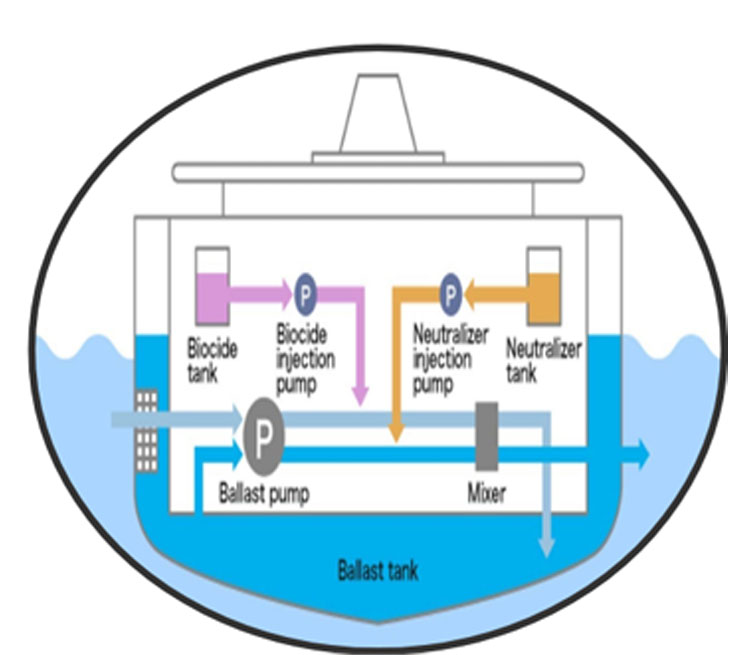
Ballast Water Treatment Systems

Bacteria killer free chlorine also increase corrosion.
For example; %10 – % 15 Sodium hypo chloride NaClO dosing than chlorine release in solution as by product.
Chlorine reacts with iron and Iron II chloride occurs. It is soluble and does not stuck on surface of pipe. We can not see it as insoluble semi stuck iron oxide rust.
Chrome Nickel Stainless steel alloys affected by chlorine lower than carbon steels but still vulnerable. SS material’s passive layer go off by chlorine or sea water. We can not see rust on it but thickness reduces by unstuck rust.
Titanium Chromium Nickel stainless steel alloys less affected by chlorine, but expensive.
Copper nickel alloys are superior for sea water but not good for free chlorine as BWTS. Expensive too.

Ballast Water Treatment Systems Operation Conditions

Our unique Pe lined pipe continous operation temperature must be: below 60° C at higher than acidic pH 1,6,(%2 HCI  hydrochloride acid).This is very much high limit for released by product CI from NaCIO.Vicat Softening Point of lining is 82° C.The BWTS is cold operation.%15 NaCIO at 60° C- Pipe continuous operation. The BWTS is cold operation.Temperature must be : below 50° C, at lower than basic pH 14(%2 NaOH).At 35° C there are not pH or salt concentration limit.

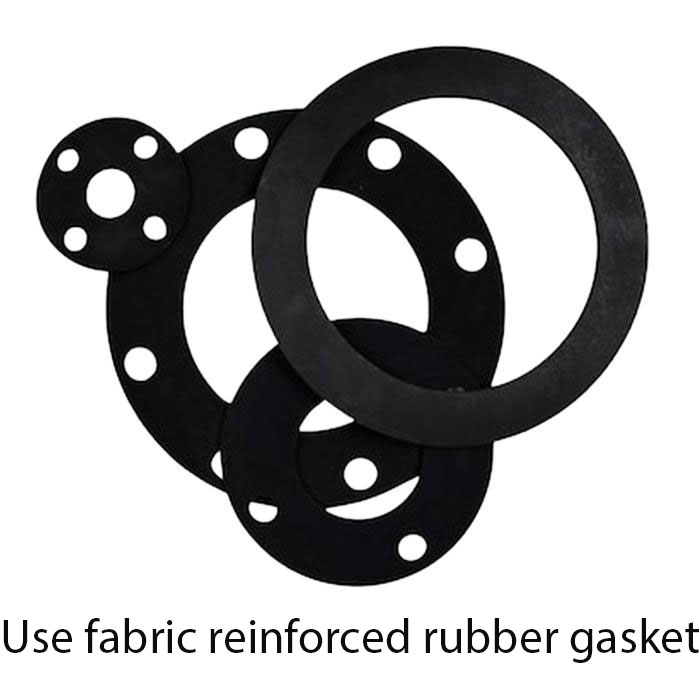
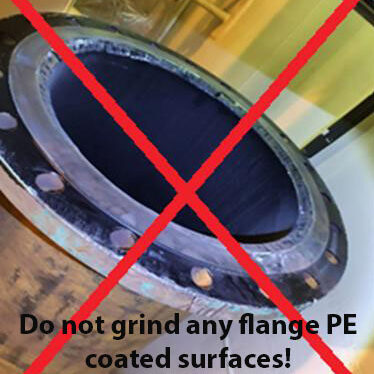
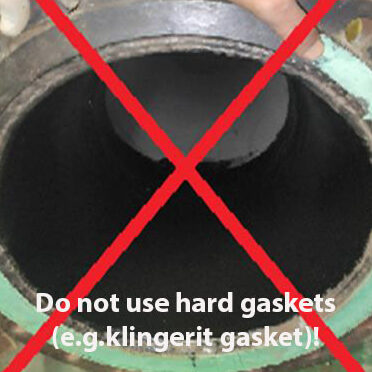
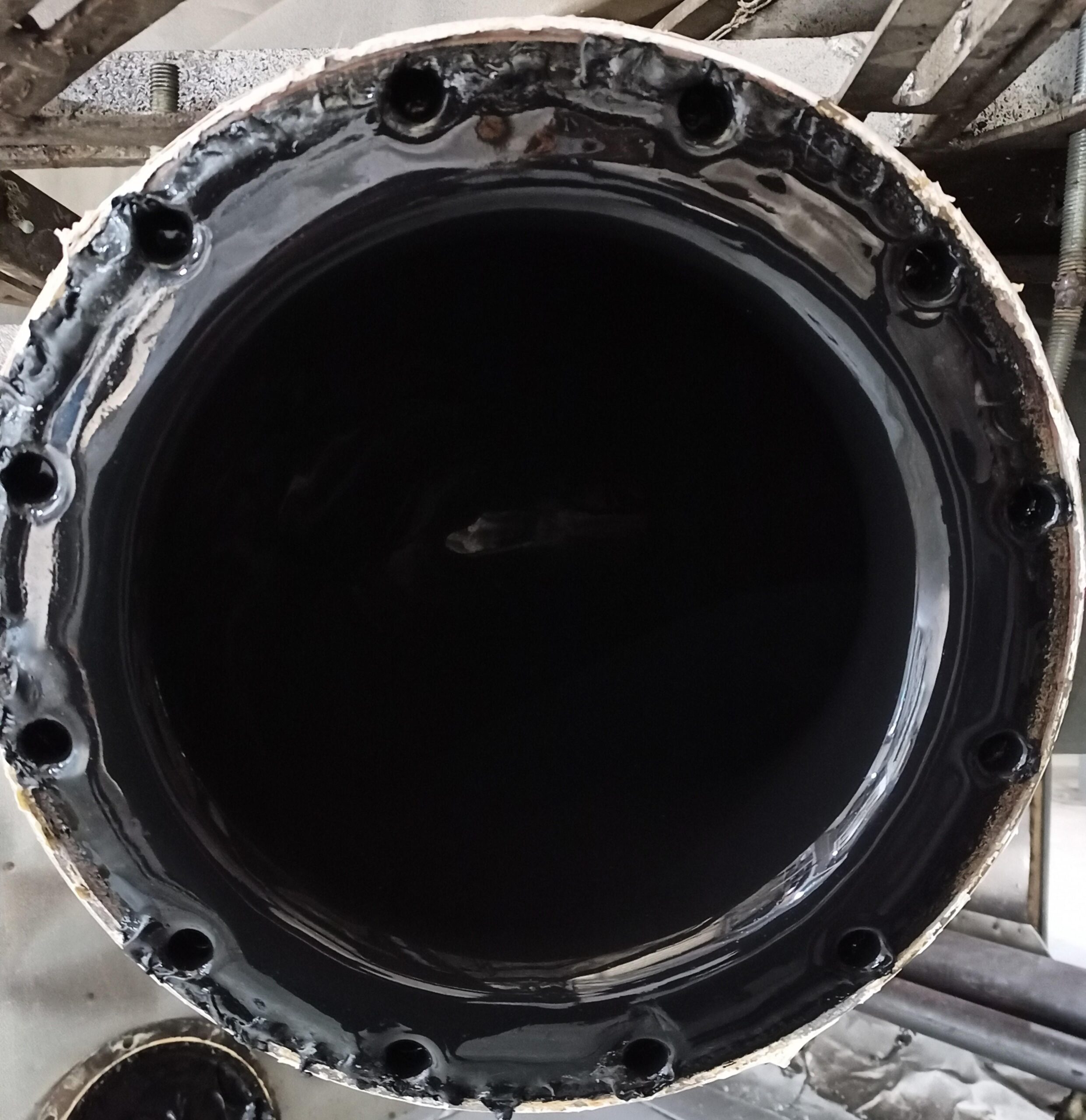
Even there are excessive corrosion allowance steel thickness at flange diagonal dimension; lining must cover up to gasket inner tapered diameter area, including welding seam. Most of gasket area is coated with PE normally including welding seam. Client must use separate gasket for safer operation. Fabric reinforced rubber gaskets are recommended for fitting onboard.  Grinding of coated flange surface, might! cause disintegration of coating.


 Coated raw pipe